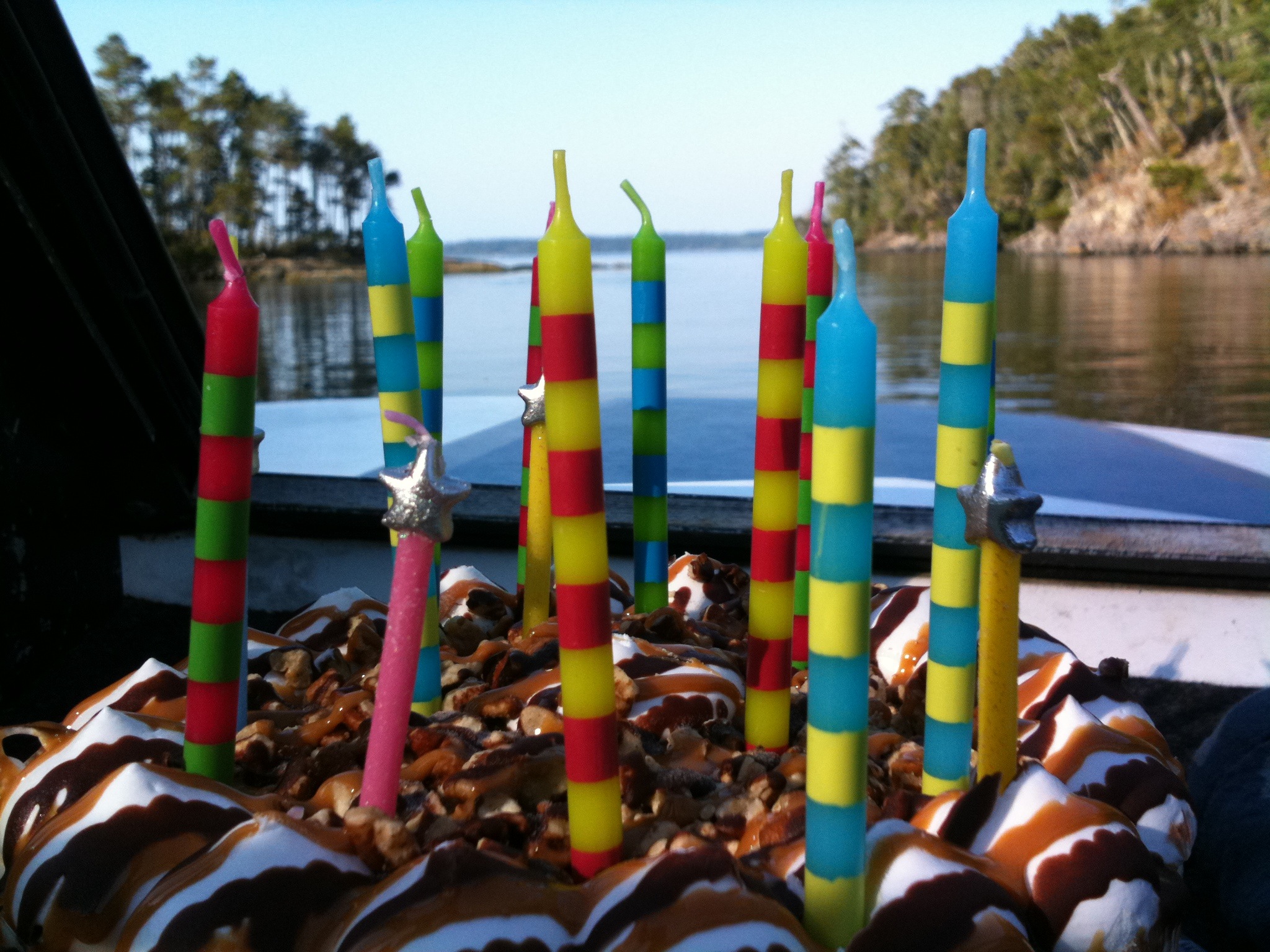

I’m so excited to launch our new website today. It happens to be my birthday, and this (and the chocolate cake) was the perfect gift. We love our research on whales and dolphins, and are happy to finally have a beautiful space for our work to live and grow. We hope you like it here, and visit all the time. Our goal is to have a place where we can discuss ideas with you — we publish in scientific journals, but not every story is publishable; not everyone reads scientific journals; publishing is slow; and we want to hear what you think.
What we do around here is fairly straightforward — marine conservation. Each icon links to a page on one of our research themes.
I know what you’re thinking. How did a couple of field biologists create such a beautiful website? We didn’t. The fantastic S. Joy Studios completely “got us” and what we are trying to do and designed a great place to hang out. Sarah Bray and her amazing team, Julianne Carson (@juliannecherie) and Leah Shaver (@leahcreates) are THE BEST and now know more about whale pooh than they ever cared to know.
The incredibly talented Sandy Buckley (@sandybuckley) created our “bespoke” graphics and logos. We love them (and her) so much, we’ve named a dolphin after her.
And, we were so lucky to get expert advice from Sarah’s uber-inspiring colleagues, the fabulous Gwen Bell and Kelly Parkinson.
Well, here goes.